The gas pincers
10/12/12 16:56![[identity profile]](https://www.dreamwidth.org/img/silk/identity/openid.png) luvdovz.livejournal.com posting in
luvdovz.livejournal.com posting in ![[community profile]](https://www.dreamwidth.org/img/silk/identity/community.png) talkpolitics
talkpoliticshttp://www.rferl.org/content/russia-south-stream-construction/24791378.html

From the Russian Black Sea port of Anapa, through the Bulgarian Black Sea port of Varna - i.e. 900 km of pipeline running along the bottom of the sea. The South Stream route (the blue line on the map) is about to be started now. From Varna, the Russian gas will travel across Serbia, Hungary and Slovenia, until it reaches its final destination, Italy. The project is worth billions of euros and is mainly owned and managed by the giant Russian state company Gazprom. It's planned to be complete by the end of 2015. It'll be transporting 63 billion m3 of gas from the Russian gas fields to the end markets in Europe.
This is part of Russia's grand strategy to consolidate their dominance on the energy market in the region. These planned amounts are comparable to the shipments that Europe is currently receiving via transit passing through Ukraine. For a long time that was the only existing route, and it has given Ukraine a unique, key position along the route of the Russian natural resources to the coveted European markets. 80% of the Russian gas that reaches the EU still passes through the Ukrainian pipes.
Except, these times are going into history, and fast. Gazprom's grand strategy aims to bypass the "unfriendly" transit countries (mainly Ukraine, Poland and the Baltics) by building pipelines along the sea bottom that could reach the end consumer directly. One such pipeline runs at the bottom of the Baltic Sea, and it connects Russia to Germany and Sweden directly. Ironically (or not), the general manager of this project was no one else but Gerhard Schroeder, Germany's former Chancellor who was in very friendly relations with Russia. That's the Nord Stream. Now, the South Stream is the next step, and it's aiming to engulf Europe from the south like a pair of pincers.
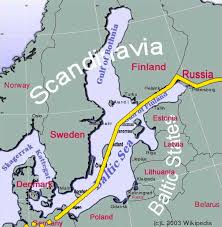
The big loser from Nord Stream was obviously Poland. They're a geopolitical, ideological and political rival of Russia - for quite a few reasons (long story). Now, the big loser from South Stream will be Ukraine. Even though the current government there is somewhat Russia-friendly (compared to the Orange coalition which ruled for a short time before that), Ukraine still has many reasons to be concerned by the progress of the South Stream project. The reasoning behind this project included official statements like "Searching for reliable routes for delivery", which of course means: "We don't want to depend on Ukraine's blackmail for placing our product on the market". From a Russian POV, this does make a lot of sense, having in mind the regular rows between Russia and Ukraine over the transit gas. These became the reason for disruptions in gas deliveries to Europe that caused huge problems for Europe in several years in a row. Ukraine wants to take higher tolls for transit, and Russia wants Ukraine out of the equation. The collateral damage from all this bickering was half of Europe staying in the dark and cold for several weeks in the middle of winter. Several winters, actually. Russia is determined to never let this happen again, because it damages their reliability as a business partner. Europe is prone to agreeing with that. And so we have... Nord Stream and South Stream.
From an Ukrainian POV, they're seeing themselves as a victim of the Russian energy policies, because their income from transit fees will soon run dry. The Ukrainian government reports that for the first 3 trimesters of 2012, Gazprom has sent 20% less gas to Europe, compared to the preceding year. These amounts are expected to continue decreasing in the following months. If Gazprom gets an alternative route for its gas shipments to South Europe (now that those are already secured for North Europe), then Ukraine will lose its monopoly position as a transit country, the way Poland did.
But, as is the general rule in the world of big business, it all ultimately boils down to profit. Even when geopolitical factors are involved. So the question is, will the South Stream be profitable after all? And the answer is still far from clear. The construction expenses are close to 16 billion euros, which is roughly 2.5 times the expenses for building the Nord Stream. So the Ukrainian government insists that modernizing the already existing pipelines would cost 4.5 billion euros, which is a lot cheaper. Russia's response: "ROFL".
There's another unknown variable as well. It remains unclear in what direction the demand for Russian gas would develop in the following years. South Stream is popping up at a moment when the European gas market is in a process of transformation. Demand isn't growing as fast as it was previously expected. The reason: the new energy sources like fracking are having an ever growing effect on the market.
And it's not like Russia is totally unaware of all these tendencies. But Kremlin seems imperturbable. Putin keeps saying that, although the demand for gas may be dropping at the moment, "better times will come around once more". And then he vows that South Stream would be completed, no matter what.
But, like I said, there are other factors apart from the mere market factors. Like geopolitics. Even though South Stream may appear to be unreasonably expensive, Russia is actually aiming higher than just establishing an alternative route for its gas deliveries. Its plan goes way beyond the financial aspect. There's another southern project called Nabucco, which is very favored by the EU because Europe would love to diversify its gas market and stop being so dependent on Russian gas alone.

Nabucco would've secured gas delivery from the Central Asian basin, via Turkey, and this way it would've broken Russia's monopoly. And that's why Russia is hurrying so desperately to get ahead of it, and spoil these plans. If there was no South Stream, there would be Nabucco. If there is South Stream, there will be no Nabucco. It just wouldn't make any sense for Europe to pay twice for the same thing. Perhaps they could afford this at some later point, but not at the moment.
So far, the news is good for Russia and bad for its rivals. South Stream seems to be way ahead of Nabucco. So Putin can sleep well. He has scored yet another big point in this grand chessboard game.

From the Russian Black Sea port of Anapa, through the Bulgarian Black Sea port of Varna - i.e. 900 km of pipeline running along the bottom of the sea. The South Stream route (the blue line on the map) is about to be started now. From Varna, the Russian gas will travel across Serbia, Hungary and Slovenia, until it reaches its final destination, Italy. The project is worth billions of euros and is mainly owned and managed by the giant Russian state company Gazprom. It's planned to be complete by the end of 2015. It'll be transporting 63 billion m3 of gas from the Russian gas fields to the end markets in Europe.
This is part of Russia's grand strategy to consolidate their dominance on the energy market in the region. These planned amounts are comparable to the shipments that Europe is currently receiving via transit passing through Ukraine. For a long time that was the only existing route, and it has given Ukraine a unique, key position along the route of the Russian natural resources to the coveted European markets. 80% of the Russian gas that reaches the EU still passes through the Ukrainian pipes.
Except, these times are going into history, and fast. Gazprom's grand strategy aims to bypass the "unfriendly" transit countries (mainly Ukraine, Poland and the Baltics) by building pipelines along the sea bottom that could reach the end consumer directly. One such pipeline runs at the bottom of the Baltic Sea, and it connects Russia to Germany and Sweden directly. Ironically (or not), the general manager of this project was no one else but Gerhard Schroeder, Germany's former Chancellor who was in very friendly relations with Russia. That's the Nord Stream. Now, the South Stream is the next step, and it's aiming to engulf Europe from the south like a pair of pincers.
The big loser from Nord Stream was obviously Poland. They're a geopolitical, ideological and political rival of Russia - for quite a few reasons (long story). Now, the big loser from South Stream will be Ukraine. Even though the current government there is somewhat Russia-friendly (compared to the Orange coalition which ruled for a short time before that), Ukraine still has many reasons to be concerned by the progress of the South Stream project. The reasoning behind this project included official statements like "Searching for reliable routes for delivery", which of course means: "We don't want to depend on Ukraine's blackmail for placing our product on the market". From a Russian POV, this does make a lot of sense, having in mind the regular rows between Russia and Ukraine over the transit gas. These became the reason for disruptions in gas deliveries to Europe that caused huge problems for Europe in several years in a row. Ukraine wants to take higher tolls for transit, and Russia wants Ukraine out of the equation. The collateral damage from all this bickering was half of Europe staying in the dark and cold for several weeks in the middle of winter. Several winters, actually. Russia is determined to never let this happen again, because it damages their reliability as a business partner. Europe is prone to agreeing with that. And so we have... Nord Stream and South Stream.
From an Ukrainian POV, they're seeing themselves as a victim of the Russian energy policies, because their income from transit fees will soon run dry. The Ukrainian government reports that for the first 3 trimesters of 2012, Gazprom has sent 20% less gas to Europe, compared to the preceding year. These amounts are expected to continue decreasing in the following months. If Gazprom gets an alternative route for its gas shipments to South Europe (now that those are already secured for North Europe), then Ukraine will lose its monopoly position as a transit country, the way Poland did.
But, as is the general rule in the world of big business, it all ultimately boils down to profit. Even when geopolitical factors are involved. So the question is, will the South Stream be profitable after all? And the answer is still far from clear. The construction expenses are close to 16 billion euros, which is roughly 2.5 times the expenses for building the Nord Stream. So the Ukrainian government insists that modernizing the already existing pipelines would cost 4.5 billion euros, which is a lot cheaper. Russia's response: "ROFL".
There's another unknown variable as well. It remains unclear in what direction the demand for Russian gas would develop in the following years. South Stream is popping up at a moment when the European gas market is in a process of transformation. Demand isn't growing as fast as it was previously expected. The reason: the new energy sources like fracking are having an ever growing effect on the market.
And it's not like Russia is totally unaware of all these tendencies. But Kremlin seems imperturbable. Putin keeps saying that, although the demand for gas may be dropping at the moment, "better times will come around once more". And then he vows that South Stream would be completed, no matter what.
But, like I said, there are other factors apart from the mere market factors. Like geopolitics. Even though South Stream may appear to be unreasonably expensive, Russia is actually aiming higher than just establishing an alternative route for its gas deliveries. Its plan goes way beyond the financial aspect. There's another southern project called Nabucco, which is very favored by the EU because Europe would love to diversify its gas market and stop being so dependent on Russian gas alone.

Nabucco would've secured gas delivery from the Central Asian basin, via Turkey, and this way it would've broken Russia's monopoly. And that's why Russia is hurrying so desperately to get ahead of it, and spoil these plans. If there was no South Stream, there would be Nabucco. If there is South Stream, there will be no Nabucco. It just wouldn't make any sense for Europe to pay twice for the same thing. Perhaps they could afford this at some later point, but not at the moment.
So far, the news is good for Russia and bad for its rivals. South Stream seems to be way ahead of Nabucco. So Putin can sleep well. He has scored yet another big point in this grand chessboard game.


(no subject)
Date: 10/12/12 15:05 (UTC)(no subject)
Date: 10/12/12 15:08 (UTC)(no subject)
Date: 10/12/12 17:07 (UTC)(no subject)
Date: 10/12/12 17:27 (UTC)I recommend you reflect on it.
Next time we'll discuss pricing.
(no subject)
Date: 10/12/12 17:38 (UTC)It did, and look where Yeltsin brought it.
We could do that now if you want.
http://www.russdom.ru/node/49
"Within this period, there has only been one positive thing, if you leave aside the trivia. And that thing is the price of oil and natural gas." (retired KGB lieutenant-general Nikolai Leonov)
http://www.institutionalinvestor.com/Article/2993585/Condoleezza-Rice-Decline-in-Price-of-Oil-Could-Undo-Putin-Regime.html
"Decline in price of oil could undo Putin regime: If crude slumps to $70 a barrel, Putin might not be able to afford to pay off his cronies." (former US Secretary of State Condoleezza Rice)
http://www.economist.com/node/21559342
"In the past, buoyed by huge popularity and surging oil and gas revenues, he could afford to ignore the opposition’s sparsely attended demonstrations. ... Now the regime’s business model, based on gathering and sharing the spoils of power (chiefly natural-resource rents), is under strain."
(The Economist)
http://www.economist.com/node/21541401
"Mr Putin's power has rested on two foundations. One is that, despite his government's contempt for human rights and his tolerance of the kleptocracy around him, Mr Putin had legitimacy because he was personally extremely popular. The other is that, thanks largely to ever higher oil prices, he was able to ensure steadily rising living standards for Russians. Both foundations now look fragile."
(The Economist)
I could go on.
(no subject)
Date: 10/12/12 17:56 (UTC)BTW, Russia exported gas way before Yeltsin, too.
I appreciate you go on, all I ask of you is if you could please formulate your point.
Your first statement proven to be false.
(no subject)
Date: 10/12/12 18:05 (UTC)And you aren't?
Oh well then.
(no subject)
Date: 10/12/12 18:11 (UTC)Putin has ratings between 50 and 60% (depending on who measures and how), and there's no more intimadation in Moscow than in NYC.
Re the exportation of natural resources - it's a matter of fact that more countries need Russian gas, oil and titanium than Russian MIGs and AKMs. Let's face it. We call it 'market economy'.
(no subject)
Date: 10/12/12 18:55 (UTC)(no subject)
Date: 10/12/12 20:10 (UTC)I guess, he's as popular in Russia now as were De Gaulle or FDR or JFK in their countries in their respective years.
(no subject)
Date: 10/12/12 20:32 (UTC)(no subject)
Date: 10/12/12 23:42 (UTC)PS. Me, oh my... Someone is going to 'be more flexible'?
'I'll pass it over to Vladimir." (c)
(no subject)
Date: 10/12/12 18:07 (UTC)(no subject)
Date: 10/12/12 17:19 (UTC)Where's pogrom, samovar, babushka?
Where did the bears go?
Looking right out of my window I can see a pair. One drinks vodka while another plays balalajka.
Who gives a toss about energy? Not them. They're adopted to cold.
https://www.youtube.com/watch?v=VSB9YHkmXDw
(no subject)
Date: 10/12/12 17:41 (UTC)Didn't you say you lived in the US?
I don't know how one gets "adopted" to cold.
(no subject)
Date: 10/12/12 18:02 (UTC)I didn't get an impression you never tried vodka...
(no subject)
Date: 10/12/12 18:06 (UTC)(no subject)
Date: 10/12/12 18:16 (UTC)But if you behave...
(no subject)
Date: 10/12/12 17:43 (UTC)(no subject)
Date: 10/12/12 18:01 (UTC)