The new pharaoh
2/12/12 18:06![[identity profile]](https://www.dreamwidth.org/img/silk/identity/openid.png) mahnmut.livejournal.com posting in
mahnmut.livejournal.com posting in ![[community profile]](https://www.dreamwidth.org/img/silk/identity/community.png) talkpolitics
talkpolitics[Error: unknown template video]
Human history teems with examples where revolutionaries have deposed tyrants, only to occupy their place and become even worse tyrants than them. It happened in France, Britain, Russia. Now the events in Cairo are about to put Egypt on that list as well.
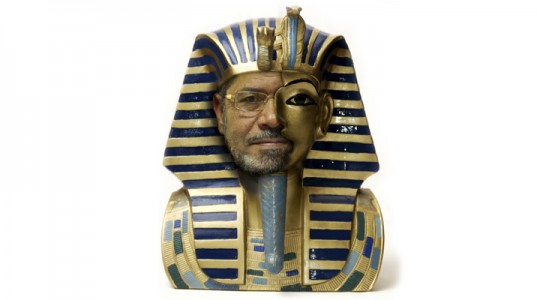
The land of the pharaohs is split in two: "before" and "after" the revolution that gave so much hope to so many Egyptians. This happened last Thursday when president Morsi signed a decree that gives him extraordinary powers: he took away the legislative rights from the upper chamber of parliament, stripped the judicial power of its prerogatives and appropriated them for himself. So Egypt now suddenly has a single man with so much power that even Mubarak didn't have. A new pharaoh.
The reaction was swift from all sides. The opposition against Morsi is threatening to start a new Tahrir revolution. But do the Egyptian people have any power remaining in them to remove the next dictator? Their revolutionary zeal seems to have waned at this point. And it looks increasingly unlikely that Morsi would listen to his people and resist the temptations of limitless power.
He has put a lot of efforts to convince them that he's only doing all this for the national interest. His spokesman said the other day that "the President has the right to take any decisions to defend our revolution", and he added that the decision is final and it cannot be negotiated. So much with democracy, then.
All previous dictators have insisted in the beginning that they were doing everything for the sake of their people - until the mass shooting squads and executions without trial followed. That's what causes concern for the opposition. And since Thursday, the opposition against Morsi has been growing with every next day. Even former IAEA secretary general Baradei said that he relies that the military is also concerned about this development, and he doesn't rule out the army stepping in to protect law and order. Which, I'm sure, they'd gladly do.
The military is still biding their time, though. And waiting to see where things will go. And meanwhile, people are flocking to Tahrir square again. The president already ordered the security forces to disperse them once. Whether another full-out Tahrir showdown is coming, time will tell. But it looks very likely.
Seeing that bloodshed is imminent (all for the people's good, as Morsi has promised), the president's advisers have started resigning one after another. Meanwhile the supreme judicial committee of Egypt has decided to boycott all court activities throughout the country, as a protest against Morsi's decision. Judges and prosecutors all across the country are going on strike.
The international pressure is increasing too. The US Department of State has already stated that the people who brought down Mubarak had fought against having a single person with concentrated power in the country, and the current power vacuum could only be overcome by adopting a fair and inclusive Constitution that would contain a system of checks and balances, ensuring the protection of human rights and freedoms, the supremacy of law, and the observing of Egypt's international commitments. A nice wish, but Mursi and his government are now firmly stepped on a path that leads in the exact opposite direction - which is seen in the draft Constitution they're about to push through a referendum very soon. In less than two weeks actually.
If we look at the broader picture of history, it'll tell us that there has hardly been a revolution that hasn't been followed by a severe power struggle between the winners. Like the French Revolution - they brought down the monarchy, and then started chopping heads off. Or the Russian Revolution - everyone was shooting at everybody else. Once the old regime has fallen, the participants in the coup soon realize they have differences, and unity goes down the gutter. Along with lots of blood.
The first days of post-Mubarak Egypt seemed set to witness the establishment of a military dictatorship in the land of the pharaohs. Before the presidential election, the military did everything they could to make the future president a puppet. But the Muslim Brotherhood managed to defeat them in this game. Morsi surprised everybody when he sacked all military leaders and thus decapitated his biggest rival - the army. One'd think they'd be willing to pay his favor back, right? But they didn't show enough courage, or maybe the people were still too active and prevented them. There's another thing: today's Egyptian military is not yesterday's Egyptian military. Now they're mostly businessmen and bureaucrats who are very different from the guys who had made the coup together with Nasser. They lack the energy to do anything and prefer to wait - which is why they curled their tail between their legs and quietly stepped down from the big scene. After this victory, Morsi obviously decided he was the master of the situation, not a puppet. He saw real power in his hands, and he decided to act.
Just a few days before the decree, he won another big victory. Because it was him, not Obama, who managed to negotiate the ceasefire between Israel and Hamas. The new US doctrine in quiet diplomacy may be to rely on the more active involvement of regional powers like Egypt for the solution of such complicated situations, and Morsi has stepped in to take the leading role everyone is expecting from him. His authority rapidly grew in result of this. Now obviously he overreached on the domestic front, believing that this success had made him all-powerful. Whether this was a miscalculated step or he has played his cards well, we'll learn very soon. I'd rather bet on the former, seeing the unexpectedly huge and diverse opposition he is suddenly facing these days.
The opposition itself is not homogeneous at all. There are people from the youth intelligentsia, secular people, and some pious "semi-Islamist" guys like Baradei. In other words, it's the same bloc that voted for Ahmed Shafik on the presidential eleciton, for fear of the Muslim Brotherhood imposing an Islamist regime. Yes, Morsi may've refrained from making any Islamist steps - for now. But that's easy to explain - Egypt is at the brink of economic collapse. It desperately needs foreign investment, loans and tourists. Lots of them. If tourism dies off, everything goes to the gutter. In this situation, Morsi cannot afford to quarrel with the West. The intelligentsia knows this too well, and that's why they're afraid that the Muslim Brotherhood could establish a theocratic state. And the president's actions are only fueling these fears additionally.
And we shouldn't forget the fragile power balance between the main players. If the presidential institution is weakened, that'd be a signal for the military to increase the pressure and try to return to the scene. Moreover, they're still the main economic player in Egypt. They control the bulk of its industry and business. Retired generals now sit in the governor's chairs in many provinces and cities. And even the Muslim Brotherhood itself is split in their support for Morsi. Many of its leaders are concerned that he'd try to make himself supreme dictator for life, and push the Brotherhood to the sidelines. Actually that's probably the likeliest place where we should look for the biggest threat to his plans. Not the military, not even the people on the streets - but his own political allies. Because, as has often been the case in pharaonic Egypt, daggers aimed at your back tend to flash in the hands of those you least suspect of treason.
Human history teems with examples where revolutionaries have deposed tyrants, only to occupy their place and become even worse tyrants than them. It happened in France, Britain, Russia. Now the events in Cairo are about to put Egypt on that list as well.
The land of the pharaohs is split in two: "before" and "after" the revolution that gave so much hope to so many Egyptians. This happened last Thursday when president Morsi signed a decree that gives him extraordinary powers: he took away the legislative rights from the upper chamber of parliament, stripped the judicial power of its prerogatives and appropriated them for himself. So Egypt now suddenly has a single man with so much power that even Mubarak didn't have. A new pharaoh.
The reaction was swift from all sides. The opposition against Morsi is threatening to start a new Tahrir revolution. But do the Egyptian people have any power remaining in them to remove the next dictator? Their revolutionary zeal seems to have waned at this point. And it looks increasingly unlikely that Morsi would listen to his people and resist the temptations of limitless power.
He has put a lot of efforts to convince them that he's only doing all this for the national interest. His spokesman said the other day that "the President has the right to take any decisions to defend our revolution", and he added that the decision is final and it cannot be negotiated. So much with democracy, then.
All previous dictators have insisted in the beginning that they were doing everything for the sake of their people - until the mass shooting squads and executions without trial followed. That's what causes concern for the opposition. And since Thursday, the opposition against Morsi has been growing with every next day. Even former IAEA secretary general Baradei said that he relies that the military is also concerned about this development, and he doesn't rule out the army stepping in to protect law and order. Which, I'm sure, they'd gladly do.
The military is still biding their time, though. And waiting to see where things will go. And meanwhile, people are flocking to Tahrir square again. The president already ordered the security forces to disperse them once. Whether another full-out Tahrir showdown is coming, time will tell. But it looks very likely.
Seeing that bloodshed is imminent (all for the people's good, as Morsi has promised), the president's advisers have started resigning one after another. Meanwhile the supreme judicial committee of Egypt has decided to boycott all court activities throughout the country, as a protest against Morsi's decision. Judges and prosecutors all across the country are going on strike.
The international pressure is increasing too. The US Department of State has already stated that the people who brought down Mubarak had fought against having a single person with concentrated power in the country, and the current power vacuum could only be overcome by adopting a fair and inclusive Constitution that would contain a system of checks and balances, ensuring the protection of human rights and freedoms, the supremacy of law, and the observing of Egypt's international commitments. A nice wish, but Mursi and his government are now firmly stepped on a path that leads in the exact opposite direction - which is seen in the draft Constitution they're about to push through a referendum very soon. In less than two weeks actually.
If we look at the broader picture of history, it'll tell us that there has hardly been a revolution that hasn't been followed by a severe power struggle between the winners. Like the French Revolution - they brought down the monarchy, and then started chopping heads off. Or the Russian Revolution - everyone was shooting at everybody else. Once the old regime has fallen, the participants in the coup soon realize they have differences, and unity goes down the gutter. Along with lots of blood.
The first days of post-Mubarak Egypt seemed set to witness the establishment of a military dictatorship in the land of the pharaohs. Before the presidential election, the military did everything they could to make the future president a puppet. But the Muslim Brotherhood managed to defeat them in this game. Morsi surprised everybody when he sacked all military leaders and thus decapitated his biggest rival - the army. One'd think they'd be willing to pay his favor back, right? But they didn't show enough courage, or maybe the people were still too active and prevented them. There's another thing: today's Egyptian military is not yesterday's Egyptian military. Now they're mostly businessmen and bureaucrats who are very different from the guys who had made the coup together with Nasser. They lack the energy to do anything and prefer to wait - which is why they curled their tail between their legs and quietly stepped down from the big scene. After this victory, Morsi obviously decided he was the master of the situation, not a puppet. He saw real power in his hands, and he decided to act.
Just a few days before the decree, he won another big victory. Because it was him, not Obama, who managed to negotiate the ceasefire between Israel and Hamas. The new US doctrine in quiet diplomacy may be to rely on the more active involvement of regional powers like Egypt for the solution of such complicated situations, and Morsi has stepped in to take the leading role everyone is expecting from him. His authority rapidly grew in result of this. Now obviously he overreached on the domestic front, believing that this success had made him all-powerful. Whether this was a miscalculated step or he has played his cards well, we'll learn very soon. I'd rather bet on the former, seeing the unexpectedly huge and diverse opposition he is suddenly facing these days.
The opposition itself is not homogeneous at all. There are people from the youth intelligentsia, secular people, and some pious "semi-Islamist" guys like Baradei. In other words, it's the same bloc that voted for Ahmed Shafik on the presidential eleciton, for fear of the Muslim Brotherhood imposing an Islamist regime. Yes, Morsi may've refrained from making any Islamist steps - for now. But that's easy to explain - Egypt is at the brink of economic collapse. It desperately needs foreign investment, loans and tourists. Lots of them. If tourism dies off, everything goes to the gutter. In this situation, Morsi cannot afford to quarrel with the West. The intelligentsia knows this too well, and that's why they're afraid that the Muslim Brotherhood could establish a theocratic state. And the president's actions are only fueling these fears additionally.
And we shouldn't forget the fragile power balance between the main players. If the presidential institution is weakened, that'd be a signal for the military to increase the pressure and try to return to the scene. Moreover, they're still the main economic player in Egypt. They control the bulk of its industry and business. Retired generals now sit in the governor's chairs in many provinces and cities. And even the Muslim Brotherhood itself is split in their support for Morsi. Many of its leaders are concerned that he'd try to make himself supreme dictator for life, and push the Brotherhood to the sidelines. Actually that's probably the likeliest place where we should look for the biggest threat to his plans. Not the military, not even the people on the streets - but his own political allies. Because, as has often been the case in pharaonic Egypt, daggers aimed at your back tend to flash in the hands of those you least suspect of treason.


(no subject)
Date: 2/12/12 16:23 (UTC)(no subject)
Date: 2/12/12 16:41 (UTC)(no subject)
Date: 2/12/12 17:08 (UTC)(no subject)
Date: 2/12/12 18:09 (UTC)(no subject)
Date: 2/12/12 18:31 (UTC)(no subject)
Date: 3/12/12 18:49 (UTC)(no subject)
Date: 3/12/12 21:35 (UTC)(no subject)
Date: 4/12/12 07:28 (UTC)(no subject)
Date: 5/12/12 03:50 (UTC)http://www.thenational.ae/news/world/middle-east/egypts-morsi-flees-palace-after-protesters-break-through-police-lines
(no subject)
Date: 5/12/12 07:06 (UTC)Except, most sights of interest in and around Cairo are well away from these locations, and the hotels too.
The Egyptians are very careful not to scare off tourists.
Of course, if you want to be in the middle of the action, you could always go to Tahrir. ;-)