![[identity profile]](https://www.dreamwidth.org/img/silk/identity/openid.png) luvdovz.livejournal.com posting in
luvdovz.livejournal.com posting in ![[community profile]](https://www.dreamwidth.org/img/silk/identity/community.png) talkpolitics
talkpoliticsAnd still, this can't help but feel kind of sick. Especially considering the hypocrisy behind it:
Facebook bans 'undesirable' advert of plus-sized model Tess Holliday
Facebook blocked the Cherchez la Femme group from promoting a post for its "Feminism and Fat" panel discussion, because it depicted the body in "an undesirable manner". It featured model Tess Holliday smiling and posing in swimwear. ... After international outcry, Facebook later reinstated the advert and claimed that it had been mistakenly censored.
Yeah, right. "Mistakenly". These guys only apologized and backpedaled on the ban because there was an outcry. Which is exactly how oganized outrage on hot-button issues is supposed to work, by the way: if a sufficient number of people are discontent with a way an issue is being handled, they voice that discontent via the available channels, and make (or don't make) the intended impact on the further way said issue is handled.
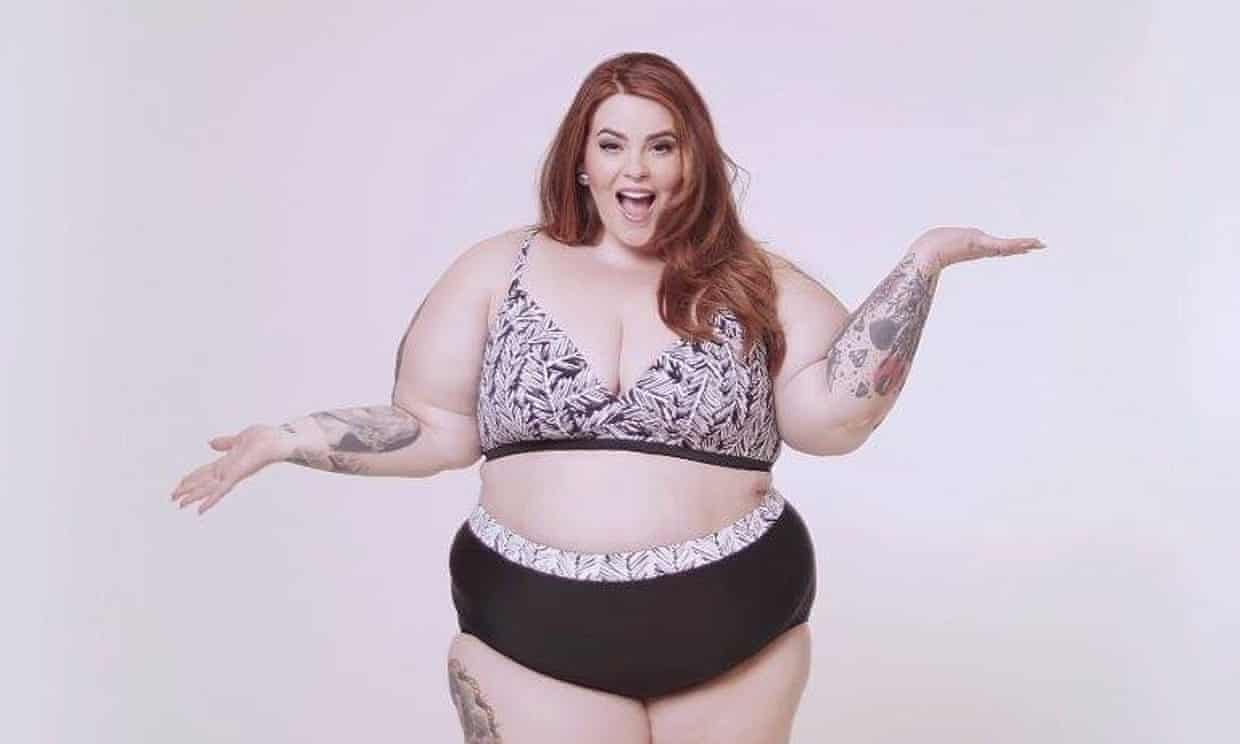
Want to know the initial (and I dare assert, real) argument behind FB's decision? "Body positivity is one thing, but promoting an unhealthy body size as healthy is different". So that's it. FB doesn't want us to like bad things like obesity, and isn't supposed to be OK with those bad things using it as a platform to self-replicate. Which sounds reasonable, and would've been fair enough, had FB not condoned the, how was the word, "promoting", or at least tolerating of:
- Gratuitous violence (albeit often fictional)
- Explicit eroticism, kinda-watered-down nudity, and generally graphic imagery
- Radical and otherwise reactionary ideology
- Blatant consumerism
- Hey, ironically, even a lifestyle that ultimately leads to eating disorders (indirectly)
Kinda funny, isn't it?
Fine, the lady is obese. Meanwhile, she has a beautiful face. And looks genuinely happy about herself. Sure, she could lose some weight, which would be extremely helpful for her health. Perhaps she could then share her great future weight-loss story with the audience on her FB page - that would be great. It could inspire many people. Perhaps she could show a series of "before and after" pictures to support her story (if FB allows her to). Point is, as is the case with the dangerous obsession with being super-thin (which FB, just like so many other media, also actively promotes and/or tolerates in so many ways), having a debate on personal health will certainly not go well if the approach that's being employed is body-shaming. It's counter-productive. It can only serve to reinforce stereotypes, marginalize people, and all in all, create all sorts of disparities.
Ultimately, if FB and the likes really do want to come across as consistent (as opposed to pandering to the strongest current denominator, for cash), perhaps it should either use the same standard to all issues featuring on its pages (like fringe political extremism, hate language, discriminatory attitudes, and yes, voluntary, socially-induced anorexia too) - or - they could just, you know, throw their hands in the air and stop taking sides on issues they don't know how, or are unwilling to control. Having seen the failure that they've been at maintaining at least some semblance of consistent standard, I'm thinking they better just stop pretending they know what they're doing, and keep out of it all, and just allow themselves to gradually become another 4chan. I'm sure all sorts of creeps would just love to crawl out of the woordwork and populate Facebookland in the months and years to come. After all, ain't that the natural course of things, the normal life-cycle of social platforms, and that sort of thing?
Facebook bans 'undesirable' advert of plus-sized model Tess Holliday
Facebook blocked the Cherchez la Femme group from promoting a post for its "Feminism and Fat" panel discussion, because it depicted the body in "an undesirable manner". It featured model Tess Holliday smiling and posing in swimwear. ... After international outcry, Facebook later reinstated the advert and claimed that it had been mistakenly censored.
Yeah, right. "Mistakenly". These guys only apologized and backpedaled on the ban because there was an outcry. Which is exactly how oganized outrage on hot-button issues is supposed to work, by the way: if a sufficient number of people are discontent with a way an issue is being handled, they voice that discontent via the available channels, and make (or don't make) the intended impact on the further way said issue is handled.
Want to know the initial (and I dare assert, real) argument behind FB's decision? "Body positivity is one thing, but promoting an unhealthy body size as healthy is different". So that's it. FB doesn't want us to like bad things like obesity, and isn't supposed to be OK with those bad things using it as a platform to self-replicate. Which sounds reasonable, and would've been fair enough, had FB not condoned the, how was the word, "promoting", or at least tolerating of:
- Gratuitous violence (albeit often fictional)
- Explicit eroticism, kinda-watered-down nudity, and generally graphic imagery
- Radical and otherwise reactionary ideology
- Blatant consumerism
- Hey, ironically, even a lifestyle that ultimately leads to eating disorders (indirectly)
Kinda funny, isn't it?
Fine, the lady is obese. Meanwhile, she has a beautiful face. And looks genuinely happy about herself. Sure, she could lose some weight, which would be extremely helpful for her health. Perhaps she could then share her great future weight-loss story with the audience on her FB page - that would be great. It could inspire many people. Perhaps she could show a series of "before and after" pictures to support her story (if FB allows her to). Point is, as is the case with the dangerous obsession with being super-thin (which FB, just like so many other media, also actively promotes and/or tolerates in so many ways), having a debate on personal health will certainly not go well if the approach that's being employed is body-shaming. It's counter-productive. It can only serve to reinforce stereotypes, marginalize people, and all in all, create all sorts of disparities.
Ultimately, if FB and the likes really do want to come across as consistent (as opposed to pandering to the strongest current denominator, for cash), perhaps it should either use the same standard to all issues featuring on its pages (like fringe political extremism, hate language, discriminatory attitudes, and yes, voluntary, socially-induced anorexia too) - or - they could just, you know, throw their hands in the air and stop taking sides on issues they don't know how, or are unwilling to control. Having seen the failure that they've been at maintaining at least some semblance of consistent standard, I'm thinking they better just stop pretending they know what they're doing, and keep out of it all, and just allow themselves to gradually become another 4chan. I'm sure all sorts of creeps would just love to crawl out of the woordwork and populate Facebookland in the months and years to come. After all, ain't that the natural course of things, the normal life-cycle of social platforms, and that sort of thing?


![[personal profile]](https://www.dreamwidth.org/img/silk/identity/user.png)
(no subject)
Date: 5/6/16 20:13 (UTC)What exactly does it mean that "a state of health or body weight" is being "extremely undesirable"?
What about tattoos, leggins? Men in sandals with socks? Bad teeth? Horrible taste in clothes?
(no subject)
Date: 5/6/16 20:16 (UTC)On a side note, I don't like the picture, but because the tattoos are horrible. Otherwise she seems rather charismatic for a model. Most of them are like plastic dolls.
(no subject)
Date: 5/6/16 20:17 (UTC)(no subject)
Date: 5/6/16 21:50 (UTC)In pursuit of popularity, Facebook has assembled a set of advertising standards that attempt to make the Facebook experience an addictive one, and that includes preferring positive reinforcement in ads, while discouraging negative reinforcement. Using Facebook has to "feel good". So, some 20-something dumbass in the bowels of the company mistakenly banned this image, quoting the badly-phrased rule, "Ads may not depict a state of health or body weight as being perfect or extremely undesirable," because the picture might make someone out there feel mildly uncomfortable about their body.
Totally lacking in common sense. You can bet that when the outrage machine got pumping, the company figured out exactly who denied that image and HR gave them a cultural-consciosness-raising kick in the face. (Facebook's internal politics are aaaalllll about popularity and witch-hunts. What would you expect from a bunch of twenty-somethings expected to live and breathe a socialization platform?)
But this does raise an interesting general point: A company built around a social network has a unique challenge. Some of the most attention-grabbing (addictive) and important socializing is over things that make people slightly uncomfortable. So on the one hand, you don't want to promote controversy that will alienate users, but on the other hand, you want to invite enough controversy - have enough stock of it on hand - so that your platform feels relevant. There's no better way to addict a user (aside from chemical dependence I guess) than to convince them they are fighting a moral crusade by using your service. (Hell, if ISIL can do it...)
I mean, look - here we are, participating in one, about Facebook itself. Relax, guy; take a load off; it's just a paid banner ad on a shitty amoral online news-crawl called Facebook. :D Yeah, it's popular, but ... American beer is popular too. Cherchez la Femme's promoters claim they are "raging pretty hard" about this. I doubt that, actually. I think they are smiling and collecting high-fives for the storm of attention they've created out of Facebook's obvious screwup. Now they will sell a lot more tickets.
So, everybody wins!
(no subject)
Date: 6/6/16 04:55 (UTC)(no subject)
Date: 7/6/16 00:27 (UTC)